Why the Automation Gap Is the Last Problem Industrial Sites Fix
Walk through a modern food manufacturing or pharmaceutical campus and the contrast is immediate. Inside each building, the operation is tight. Lines run to takt.

Walk through a modern food manufacturing or pharmaceutical campus and the contrast is immediate. Inside each building, the operation is tight. Lines run to takt.
The industrial automation industry has made substantial progress over the past two decades. Inside manufacturing facilities and warehouses, automation penetration is high, the technology is
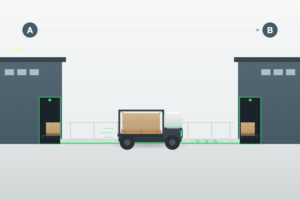
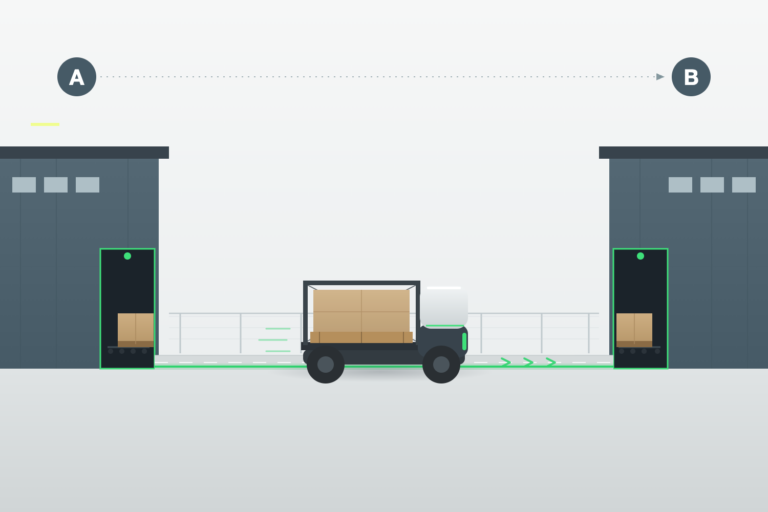
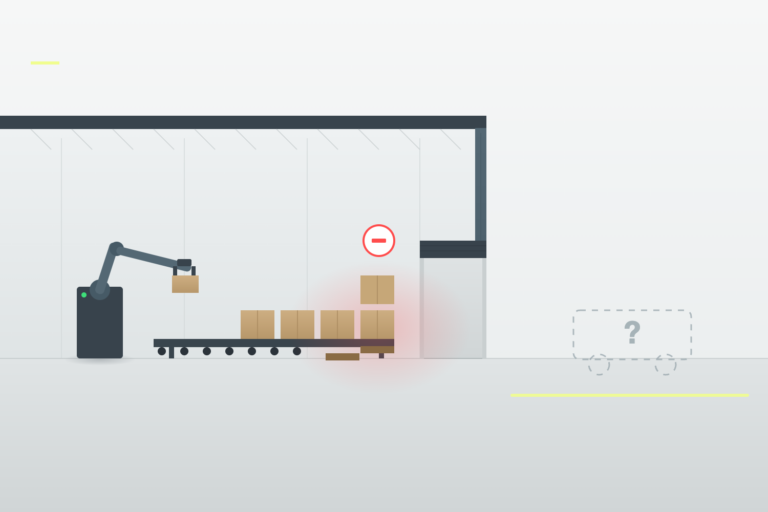
Most industrial sites today have the same structural gap. Inside each building, automation is mature and performing well — palletizers, AS/RS, AMRs, conveyors. Between buildings,
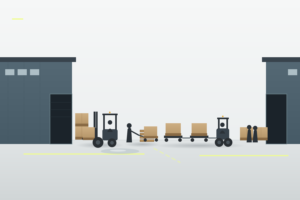
The number on the budget line is wrong. Not because the inputs are inaccurate. Because most operations teams calculate the cost of outdoor pallet transport
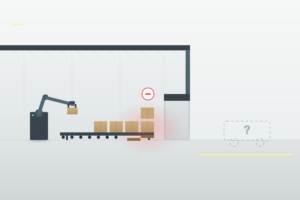
The problem is outside your building. When a palletizer drops below its rated output, the investigation starts at the palletizer. When an AS/RS runs below
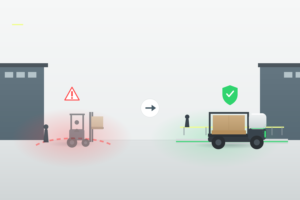
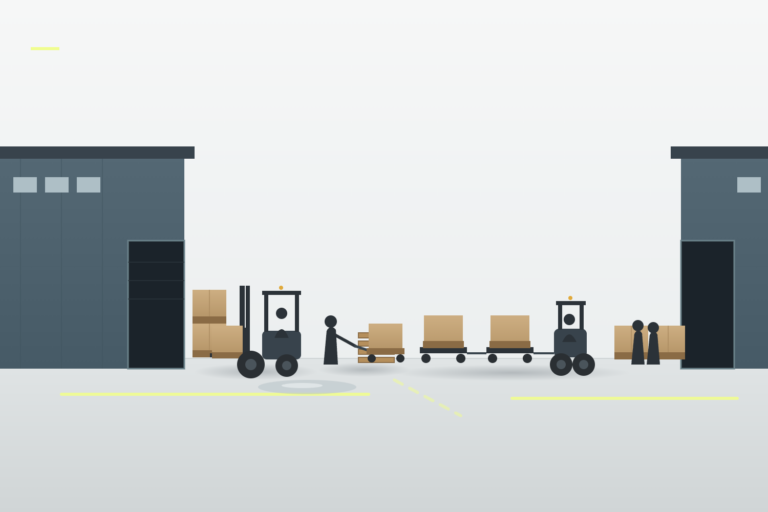
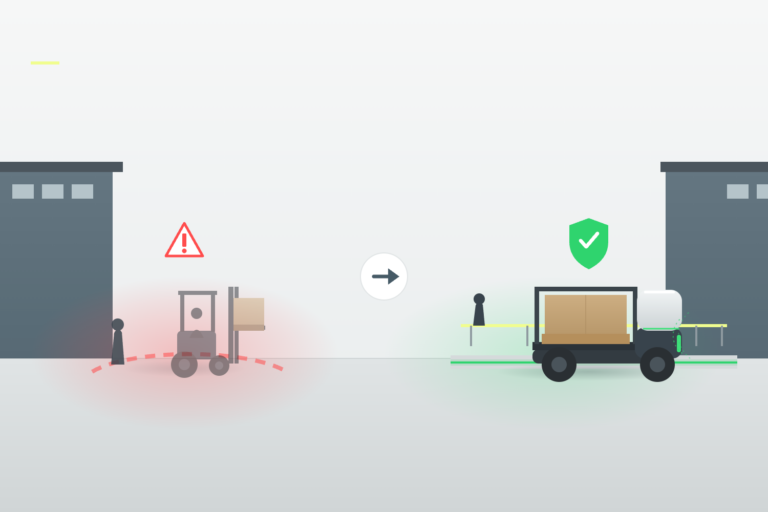
Forklifts were not designed for the job they are doing on most industrial campuses. They were engineered for short-range, high-variability indoor handling — picking, stacking,
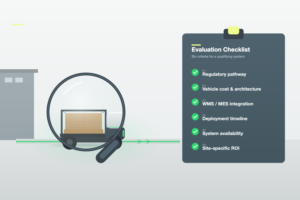
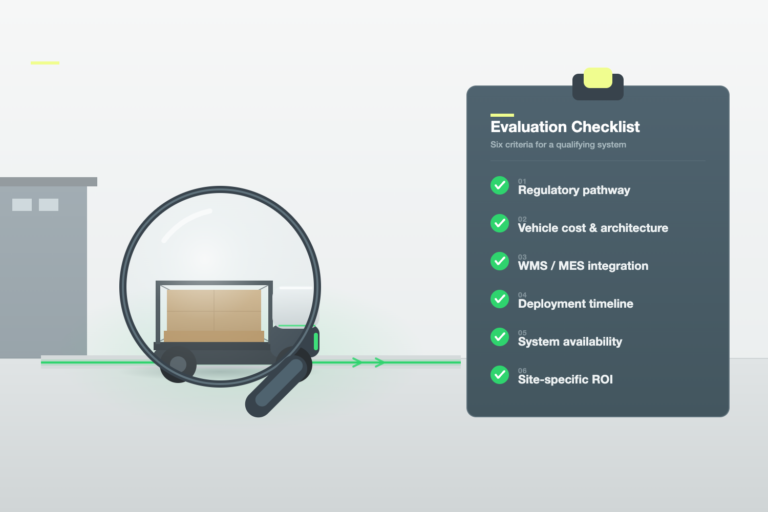
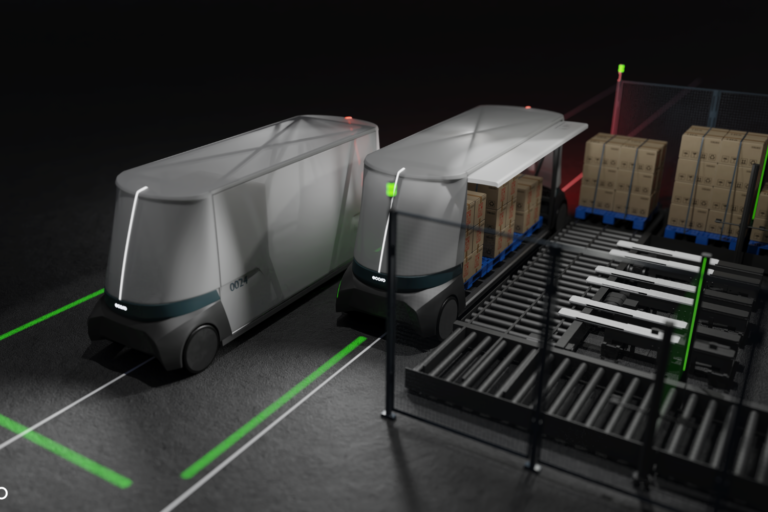
Not every automated pallet transport system is built for the same problem. Some are designed for indoor environments and have been adapted — imperfectly —